
By Ian Mason • October 22, 2026 • Website Design
On October 22, MOJO sent an important security update to our website clients.
The message concerned a critical PHP vulnerability disclosed the previous day. It was th...

By Kalie Jakovics • August 6, 2026 • MOJO Makers
When I moved to Maryland nearly ten years ago, I wasn't just looking for a new place to live. I was looking for a place where I could build a career with purpose.
...


By MOJO Creative Digital • July 17, 2026 •
PASADENA, Md., July 16, 2026: MOJO Creative Digital, a W3 Award-winning, Service-Disabled Veteran-Owned creative digital agency, today announced that Kalie Jakovics has been na...
By Alexander Fakeri • July 6, 2026 •
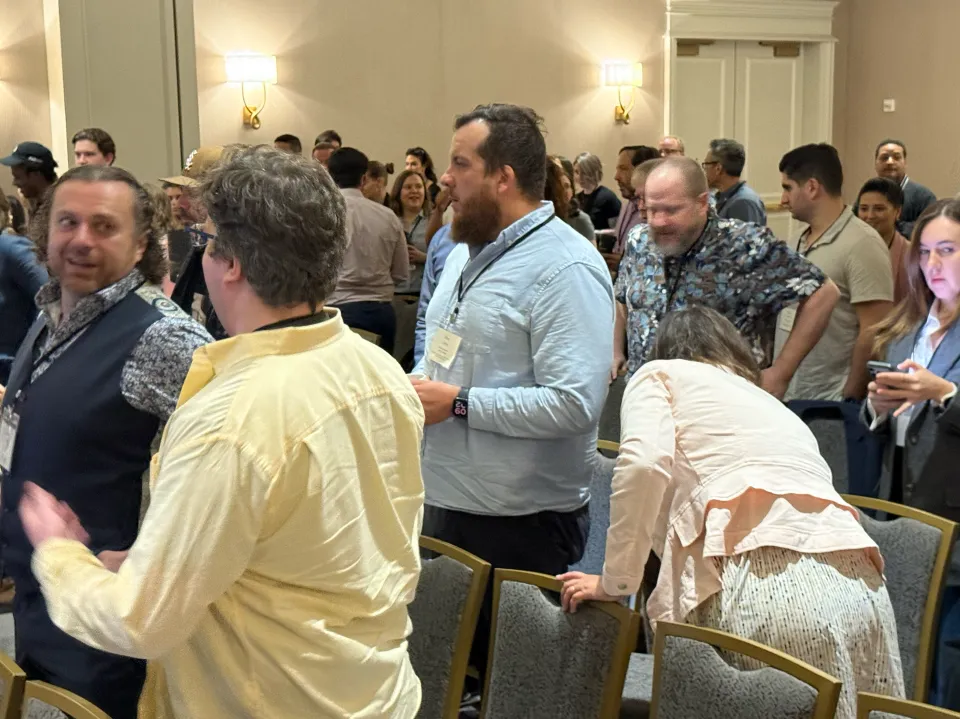
A post-event reflection from a business owner who just spoke at a GEO conference, where learning the latest trending strategies delivered a sober reality about what actually ma...
By Alexander Fakeri • June 12, 2026 •
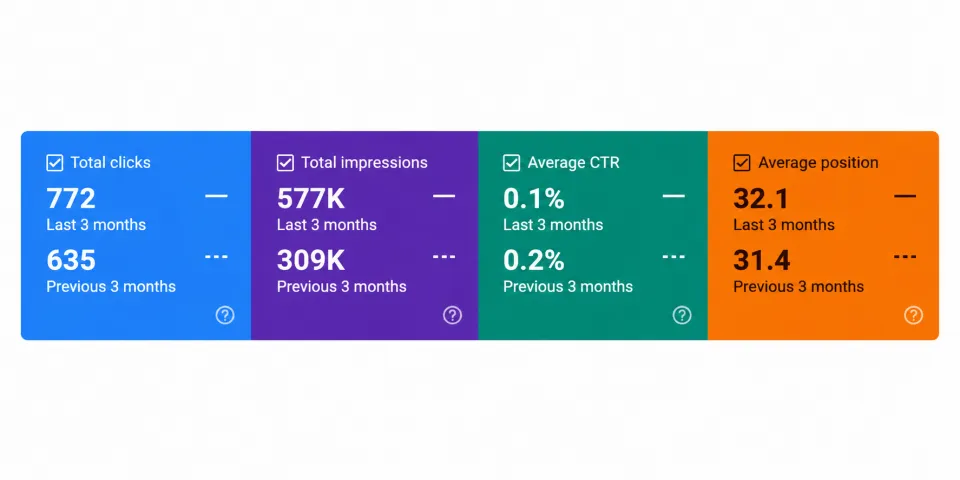
In our companion article, we outlined MOJO’s process for measuring and improving visibility in AI search. Here, we examine Google Search Console data to see how our website�...
By Alexander Fakeri • June 12, 2026 •
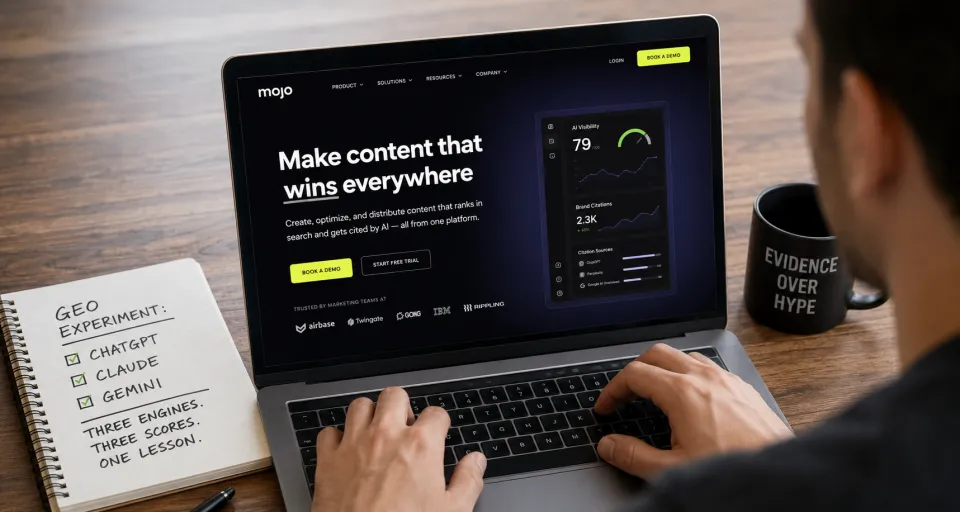
There's a comforting myth in marketing right now. It says generative engine optimization (GEO) is just SEO with a fresh coat of paint, and that if you "optimize for AI," you op...

By Ian Mason • June 9, 2026 •
Pasadena, MD, June 8, 2026: MOJO Creative Digital, the W3 Award-winning, Service-Disabled Veteran-Owned creative digital agency, is proud to announce the promotions of three ex...

By MOJO Team • June 3, 2026 •
On June 18, 2026, MOJO Creative Digital CEO Alex Fakeri spoke at GEO Conference 2026 at The Ritz-Carlton in Washington, D.C. His talk, "Growing Trends with SEO and GEO," looked...
By Ian Mason • April 27, 2026 •
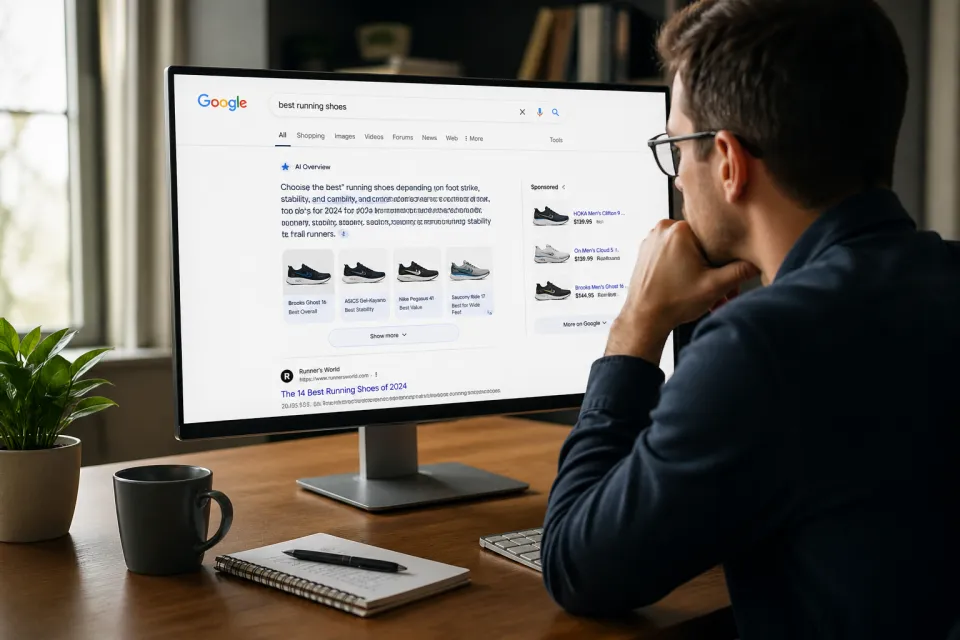
Your page ranks on the first page of Google, right where you want it. A prospect searches, reads Google's answer, and moves on. They never see your site.
That's a zer...

By Ian Mason • April 20, 2026 •
For many years, LinkedIn has been a resource to test the legitimacy of a job posting, or to find colleagues, coworkers or others in the industry to reach out to.
Over...

By Cara Bunda • April 13, 2026 •
There's a tension building inside marketing right now, and most businesses are stuck right in the middle of it.
On one side: AI tools have become so capable...
By Cara Bunda • April 6, 2026 •
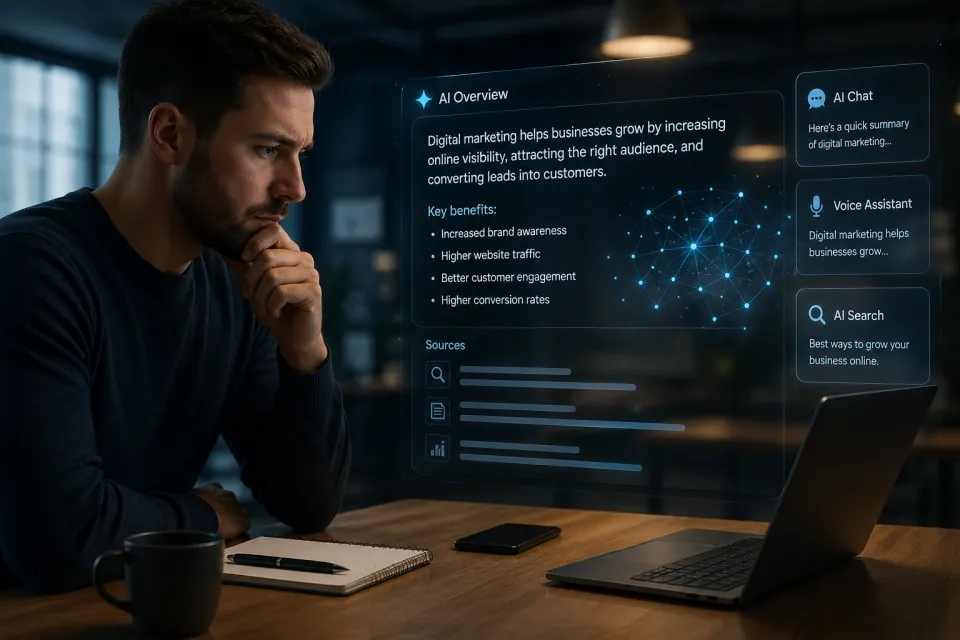
There's a shift happening right now that most businesses haven't fully reckoned with — and it's not coming. It's already here.
For the past two decades, d...

By MOJO Creative Digital • March 26, 2026 •
Here's something that should fundamentally change how you think about your marketing.
By the time a potential customer contacts your business — fills out your form,...
By MOJO Creative Digital • March 19, 2026 •
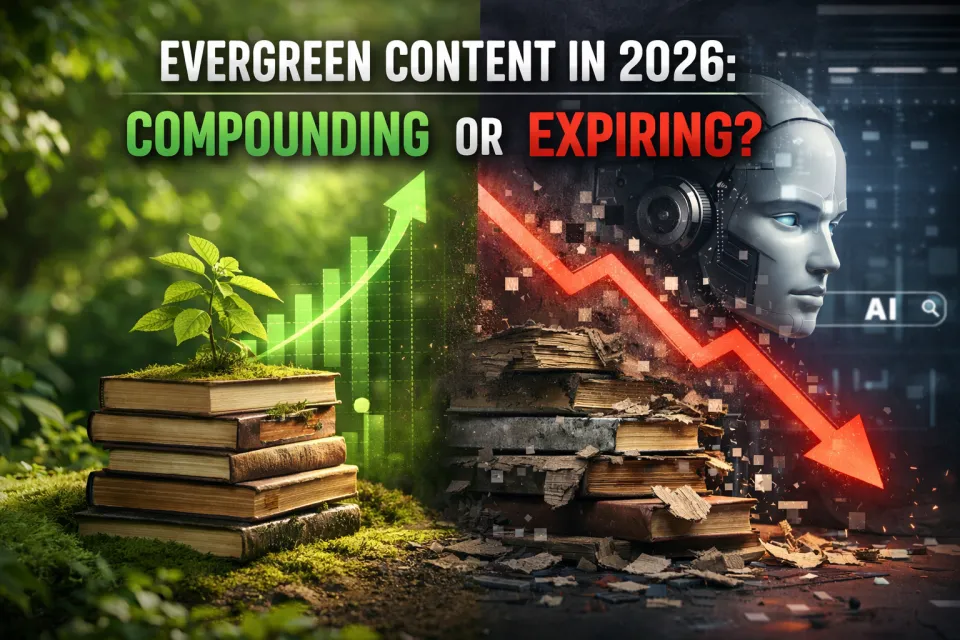
There's a content strategy that's been preached by marketers for the better part of a decade. Write it once, optimize it well, and watch it quietly accumulate traffic, leads, a...
By MOJO Creative Digital • March 12, 2026 •
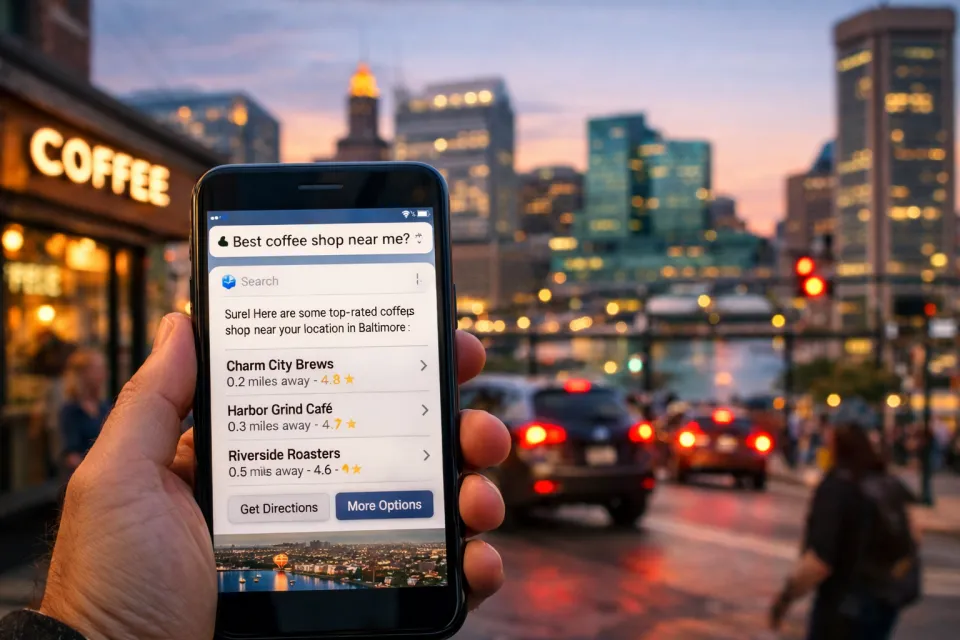
If you've searched for anything local in the past year or two, you've probably noticed something different about how results show up. Instead of just a list of blue links, you'...

By MOJO Creative Digital • March 5, 2026 •
Most business websites are digital brochures. They look nice, they load (hopefully), they list your services, and they sit there — completely passive — waiting for a visito...

By Alexander Fakeri • February 23, 2026 •
The evolution of AI development is proving something interesting: the people who succeed most with AI aren’t necessarily the most technical. They’re the ones who know how t...

By MOJO Creative Digital • February 17, 2026 •
Your waiting room might be empty — and your website might be the reason.
Healthcare has changed. Patients aren't just getting referrals from their primary care doct...
By MOJO Creative Digital • February 16, 2026 •
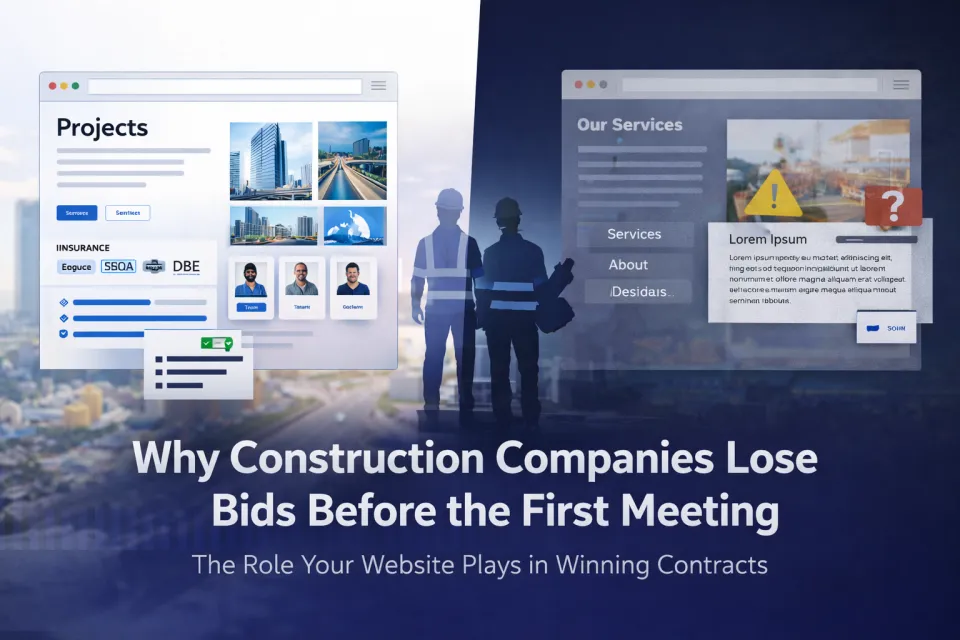
In construction, everyone talks about the bid.
Few talk about what happens before it.
Because here’s the quiet truth:
You’re often being evalu...

By MOJO Creative Digital • February 16, 2026 •
If you’ve ever breezed through an online checkout in 30 seconds but spent 30 minutes trying to pay a toll violation… you already understand the problem.
Consumers...

By MOJO Creative Digital • February 12, 2026 •
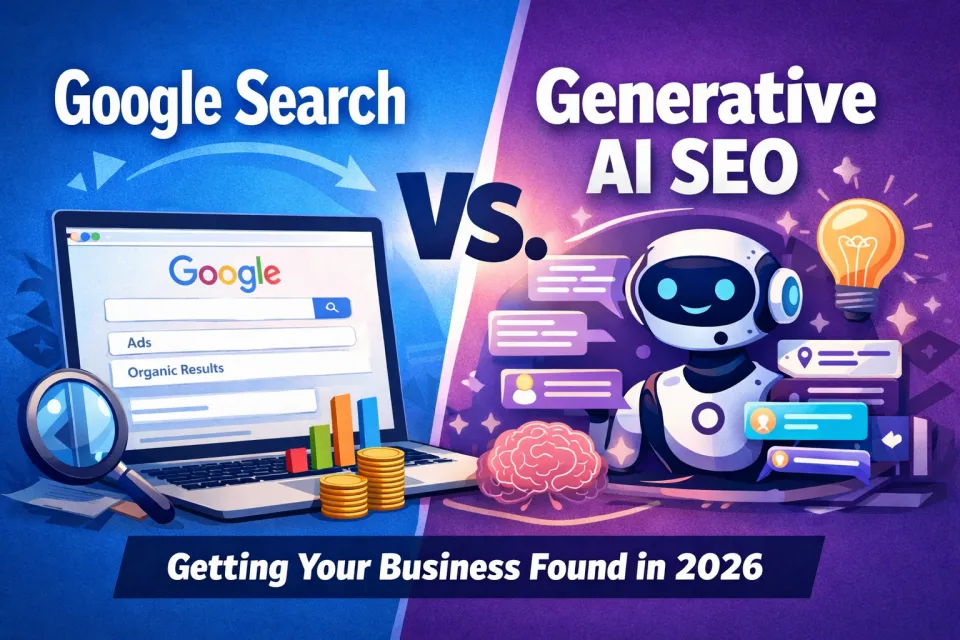
Because SEO isn’t just for Google anymore.
Remember when ranking on Google was the holy grail?
Adorable.
Now your prospects are asking Claude, C...
By MOJO Creative Digital • February 3, 2026 •
Let’s talk about how people actually find businesses now.
For the last 20 years, the playbook was simple:
Someone Googles a problem
Y...
By MOJO Creative Digital • January 15, 2026 •
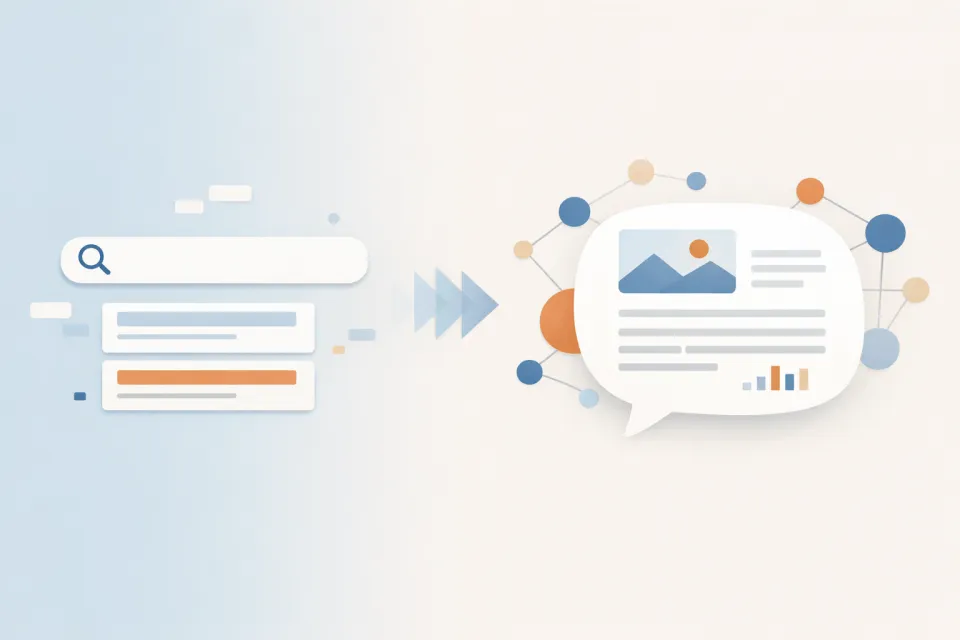
SEO helped people find you. GEO decides whether AI mentions you.
In 2026, that difference matters more than rankings ever did.
Searc...
By MOJO Creative Digital • January 15, 2026 •
(A Practical Checklist)
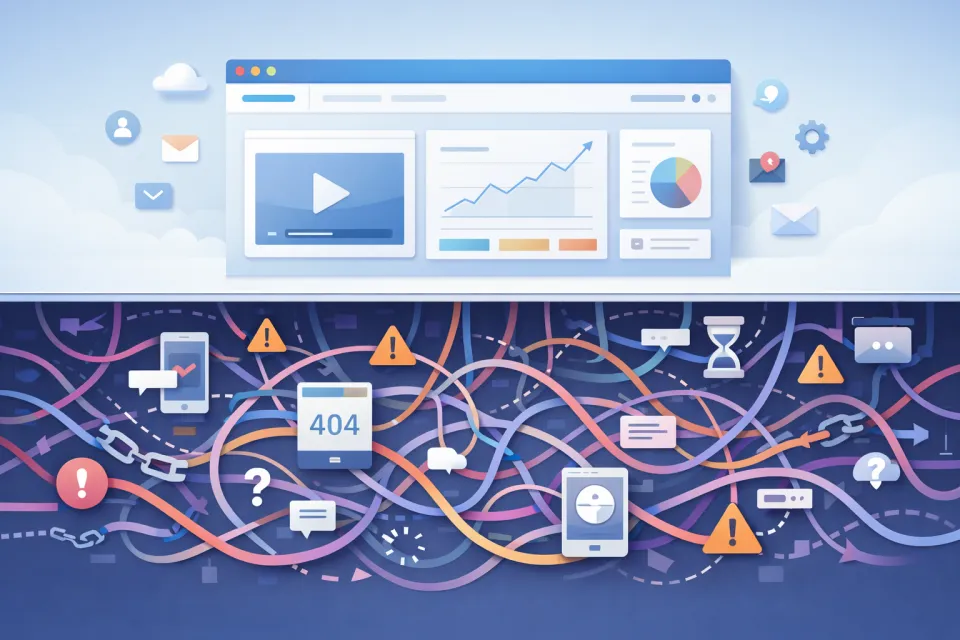
Here’s a quiet truth most companies don’t love hearing:
If your website isn’t actively helping you win business, it’s probab...

By Michael Graham and Zach Emly • January 20, 2025 •
As the MOJO team gears up to head to Shot Show, we wanted to take some time to hear from Mike Graham, Business Development Manager, and firearms aficionado on what compani...
By MOJO Creative Digital • January 15, 2025 •
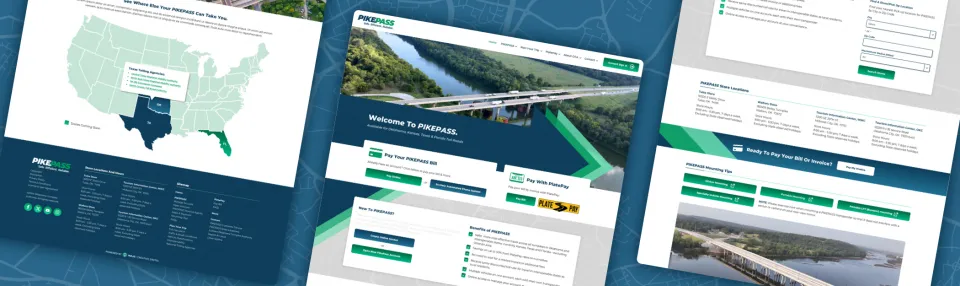
The Oklahoma Turnpike Authority (OTA) has heavily invested in initiatives to improve the safety of their toll roads and the overall tolling experience. Part of this initiative ...
By MOJO Creative Digital • December 5, 2024 •
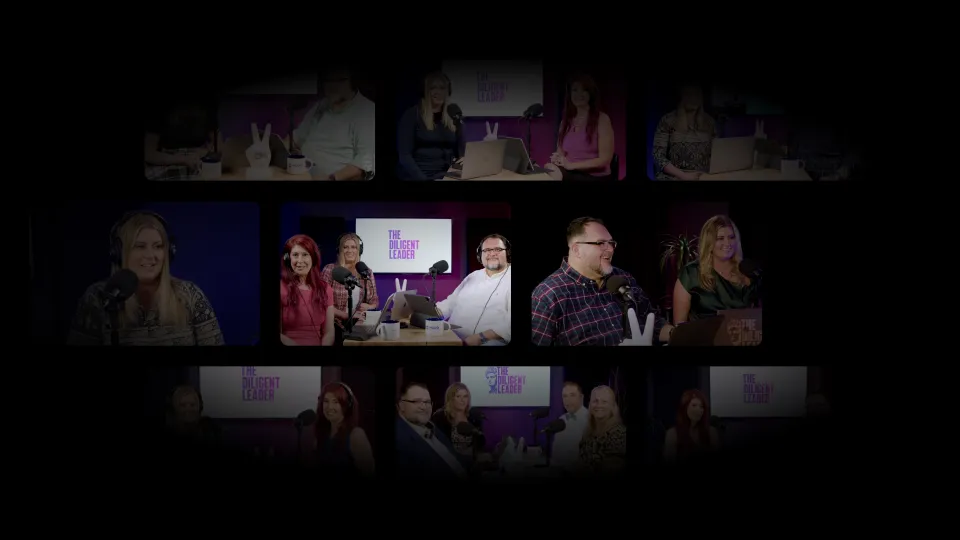
Leadership isn’t just a role; it’s a mindset. Mastering business and leadership takes diligence, reflection, and a willingness to learn from others. With the mission to gro...
By MOJO Creative Digital • December 3, 2024 •
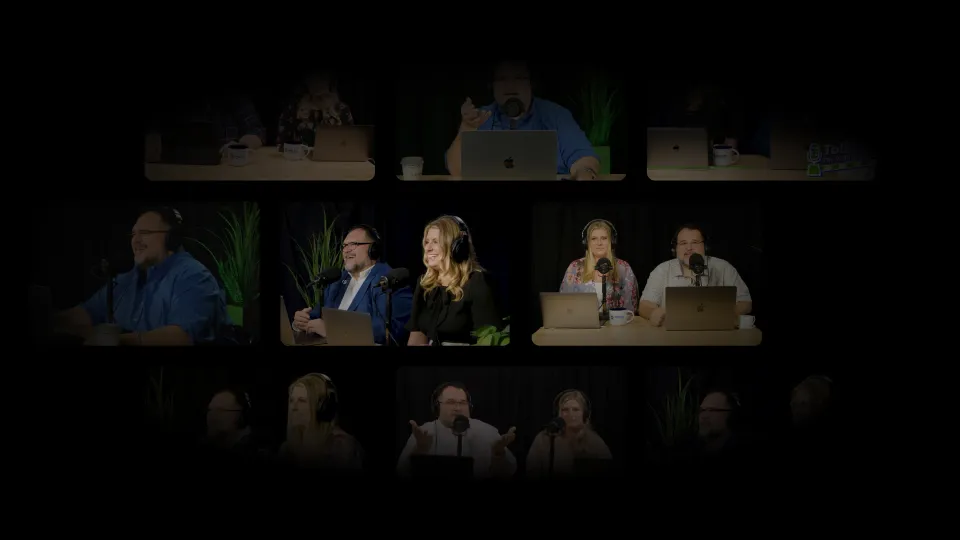
We are thrilled to announce the launch of our new podcast, Toll Talk- The Road to Success: a podcast about the tolling industry. This podcast is dedicated to exploring the cutt...
By MOJO Team • July 3, 2024 •
FOR IMMEDIATE RELEASE
Contact: Alexander Fakeri, CEO & Founder, [email protected]
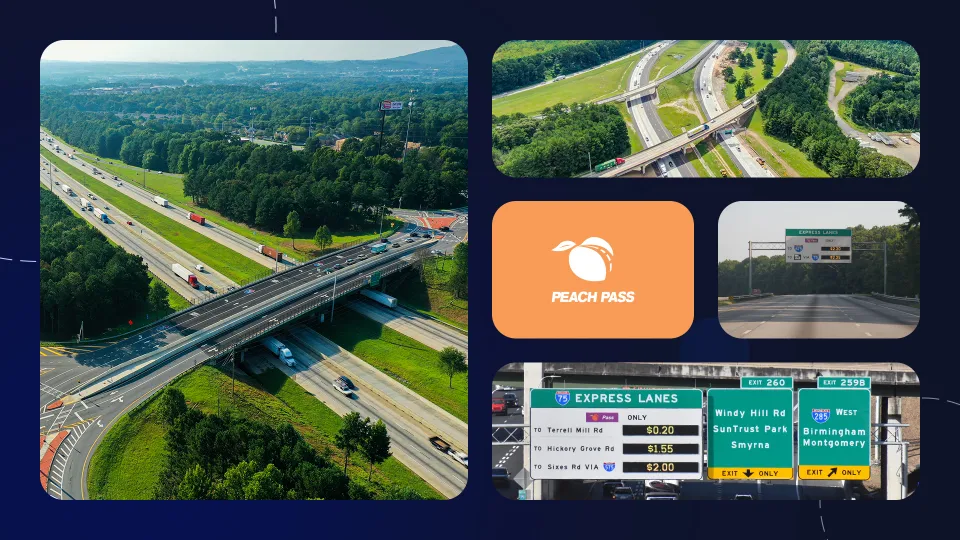
MOJO Web Solutions and ViaPlus to Modernize Georgia's MyPeachPass.com Expe...
By Toll Talk • April 24, 2024 •
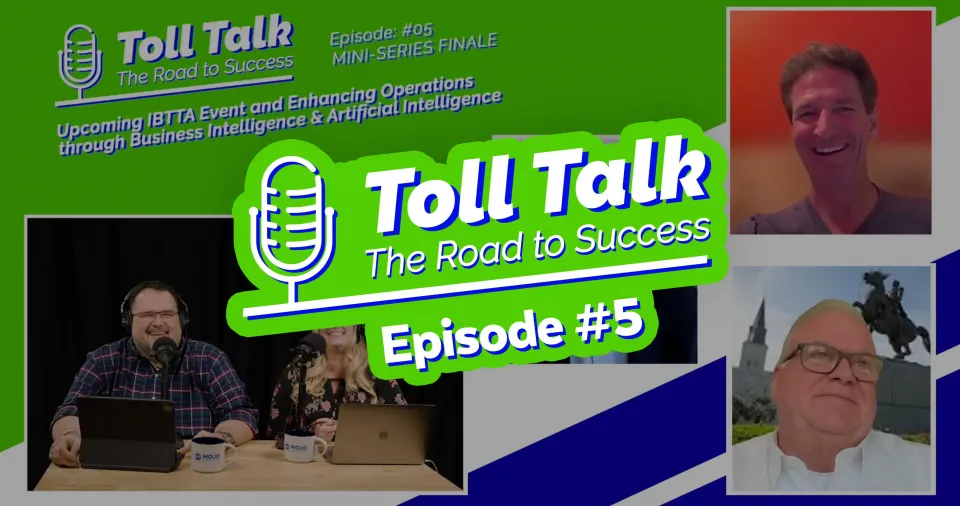
Listen to Episode 5 and the final Toll Talk where we discuss the upcoming IBTTA Tech Summit with special guests Pat Jones of IBTTA, Martin Tyson of Global Agility Solutions...

By Alexander Fakeri • April 22, 2024 •
Watch Episode 4 of Toll Talk as we discuss the upcoming IBTTA Tech Summit and the different sessions there will be about roadway safety. Special gu...
By Alexander Fakeri • April 16, 2024 •
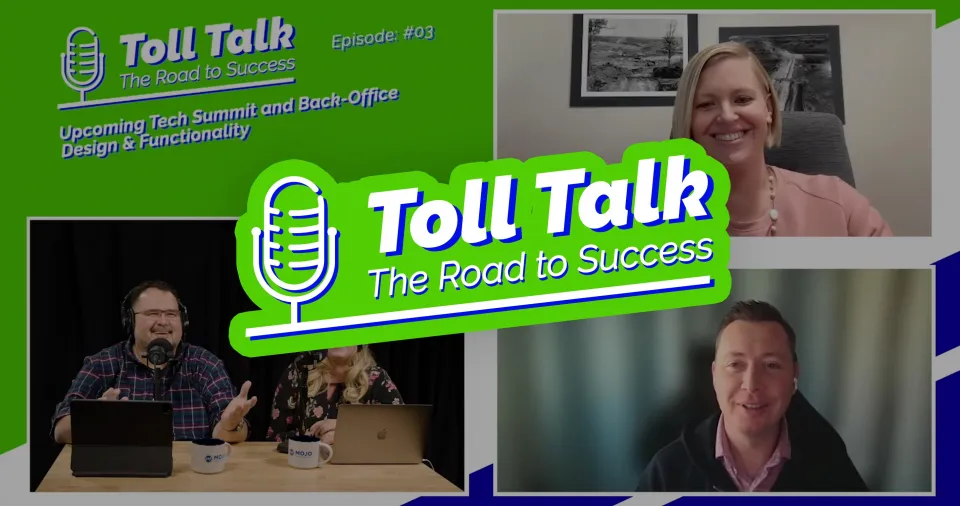
Watch Episode 3 of Toll Talk as we discuss ideas for back-office design and functionality to keep in mind as we approach the IBTTA tech summit. Special guests Rachel Bell, ...

By Alexander Fakeri • April 10, 2024 •
Wondering what you can do to prepare for the IBTTA Tech Summit? Are you wondering how you can get the most out of the event?
Wel...
By Alexander Fakeri • April 4, 2024 •
Topic: IBTTA Tech Summit Overview. Tours, Community Service, & the After Hour Party!
Start making the most out o...

By Zach Emly • November 9, 2023 •
The customer journey can help organizations of all types and sizes better understand how their customer base buys, which in turn can help them improve their overall customer ac...
By MOJO Team • June 29, 2023 •
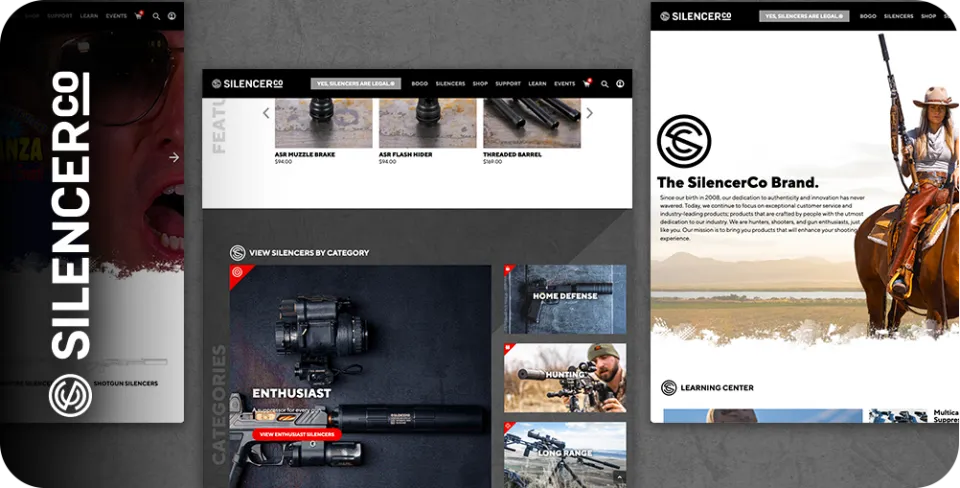
We are thrilled to announce the successful launch of our latest web design project at silencerco.com. As a leading web design agency, we have poured our passion, expertise, and...

By MOJO Team • June 19, 2023 •
As a local marketing agency, we love taking on various interns. This allows us to gain a fresh perspective while giving us the opportunity to feed into the next generation of t...

By MOJO Team • June 5, 2023 •
Congratulations to Vetus Maxwell on their 50th anniversary. We are honored to get to work with clients like Vetus Maxwell every day. and be part of their journey.
...
By Zach Emly • May 5, 2023 •
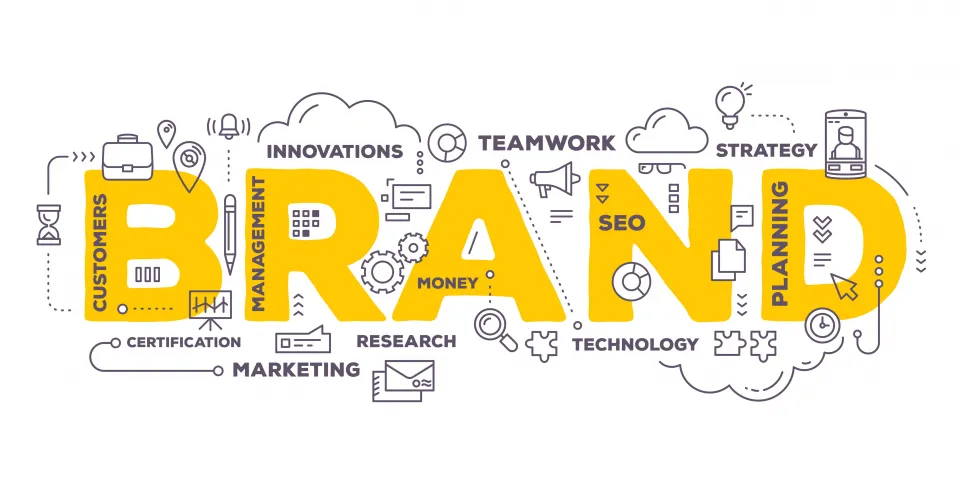
Developing an effective brand strategy is critical for companies to establish and maintain a strong market presence. A brand strategy provides a clear roadmap for building a br...
By MOJO Team • April 24, 2023 •
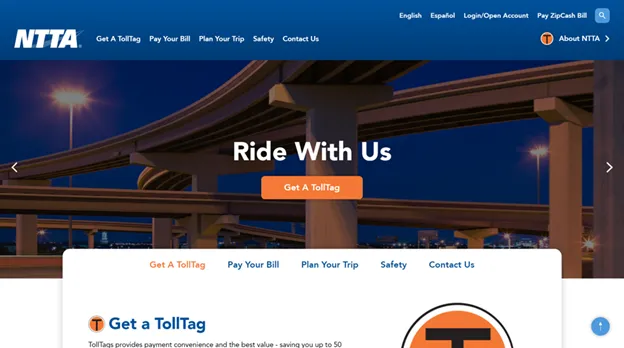
Historically, the tolling industry hasn’t made the end-user experience a priority. However, as technology is advancing at an exponential rate of ever...
By MOJO Team • February 28, 2023 •
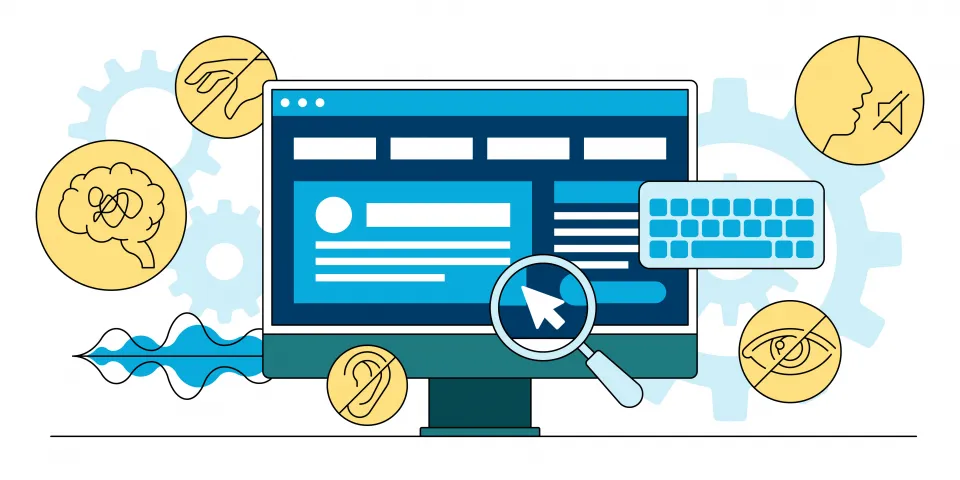
As organizations, it’s important for us to make our services accessible to those who are disabled. People with impairments deserve the same access as everyone else, but it ca...
By Zach Emly • February 3, 2023 •
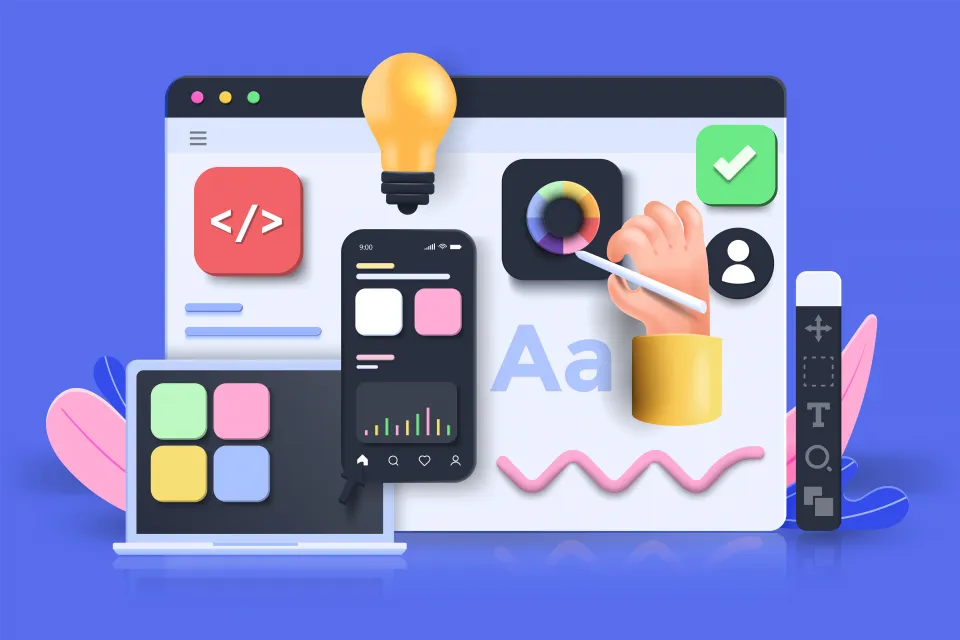
Are you wondering about the web design or redesign process? Is your organization discussing the need for a new website design and do you want to know the process before you div...
By Zach Emly • November 8, 2022 •
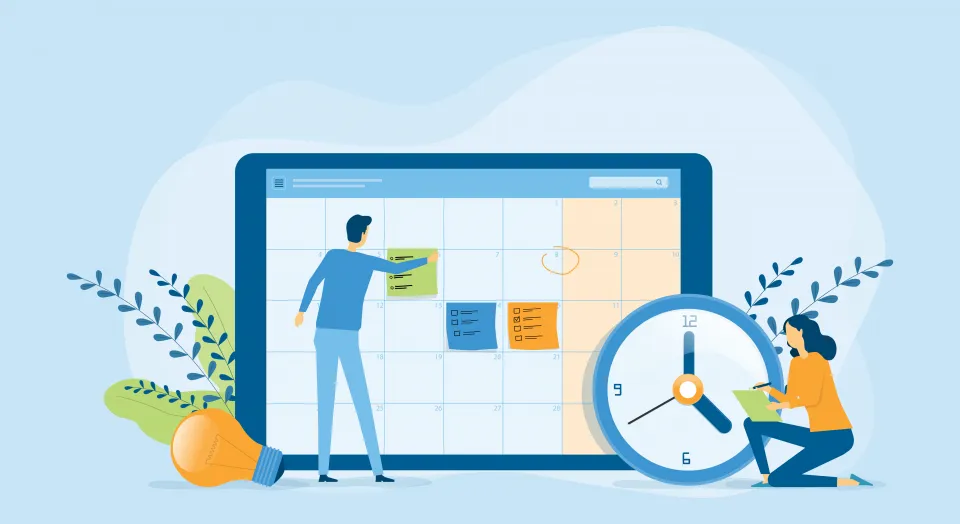
As a new year approaches companies of all shapes and sizes begin planning for the following year’s marketing strategy. Surprisingly nearly every year organizations scratch th...
By Zach Emly • October 19, 2022 •
For many organizations, there is usually a disconnect between the brand and its customers. They want consumers to buy their products, invest in their services, and to use their...

By Zach Emly • September 7, 2022 •
What better way to grow your business than utilizing search engines? If people are buying cars, life insurance, and groceries online then why wouldn’t they want to buy your s...

By MOJO Team • August 18, 2022 •
Here at MOJO, we have a team of hard workers who strive to be the best they can be every day. We pride ourselves on excellent customer service and web solutions.
&#...

By Lindsay Hauck • August 11, 2022 •
In 2019, MOJO worked with STScI/NASA to create a 36-minute documentary that introduced gravitational microlensing to the world. We did everything from pre-production to post-pr...
By Zach Emly • August 5, 2022 •
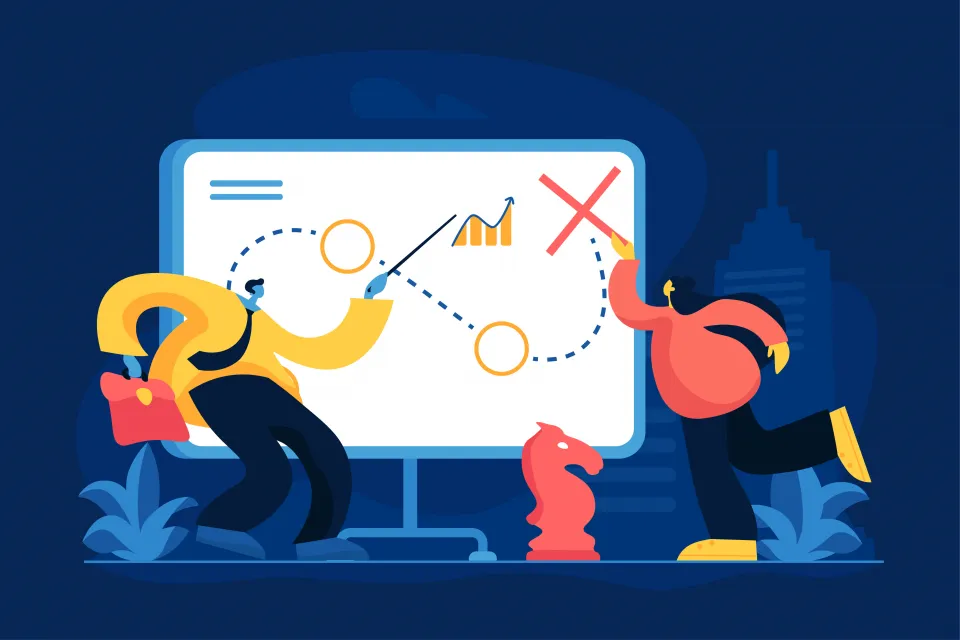
A successful marketing strategy consists of various marketing campaigns dedicated to achieving specific goals. Marketing campaigns are organized strategic efforts designed to p...
By MOJO Team • July 21, 2022 •
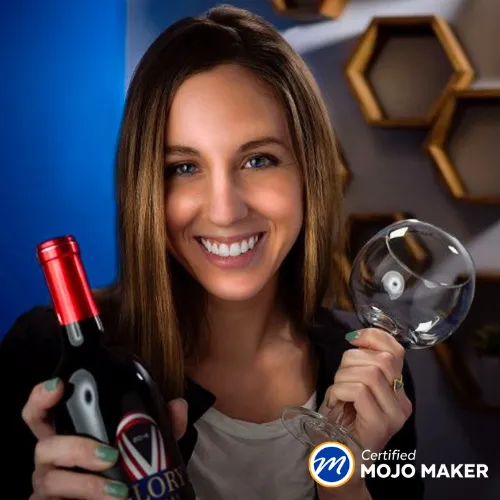
A big part of delivering a website that exceeds client expectations is the design of the website. A creative designer is someone who creates the look of the ...
By Lindsay Hauck and Ava Schrand • July 19, 2022 •
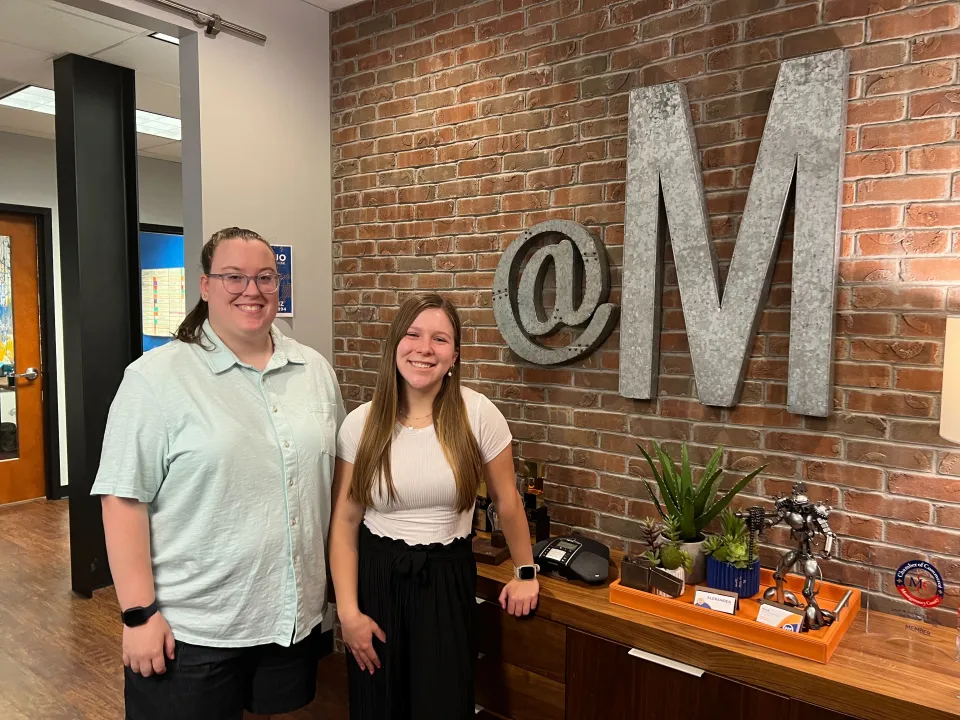
In May 2022, two bright young individuals joined the MOJO team as interns. They had many great learning experiences during their time here, and want to share that journey and e...

By MOJO Team • July 14, 2022 •
Running a successful creative digital agency requires a lot of moving parts to work together seamlessly. A big part of MOJO’s success is the hard work that everyo...

By Lindsay Hauck • July 12, 2022 •
When it comes to the online presence of an organization, a website is the “face” of a company. Depending on certain factors, a website creates the very first impression on ...
By Zach Emly • July 7, 2022 •
Nearly every business has a website…but is the website aiding in the branding and marketing efforts of the company? Is it utilized as a tool for customers to improve their af...

By Zach Emly • June 24, 2022 •
Building an omnichannel marketing strategy is essential for businesses that want to effectively reach their target markets. It allows a business to get in front of consumers, b...

By Lindsay Hauck • June 14, 2022 •
For every organization, a well-designed website is a key factor in driving business with successful marketing results. When it comes to designing a website, there are endless p...

By Zach Emly • June 2, 2022 •
As time goes on and businesses evolve, the time eventually comes for them to consider rebranding. Services come and go, business focuses change, mergers and acquisitions occur ...

By Zach Emly • May 24, 2022 •
Organizations have their choice of choosing between a variety of different marketing agencies. One type that has been rising in popularity due to its unique solutions in the mo...

By MOJO Team • May 5, 2022 •
May is officially marked as Military Appreciation Month and is a special month for both those in and out of the military.
It is important to recognize all branches of...
By Zach Emly • May 4, 2022 •
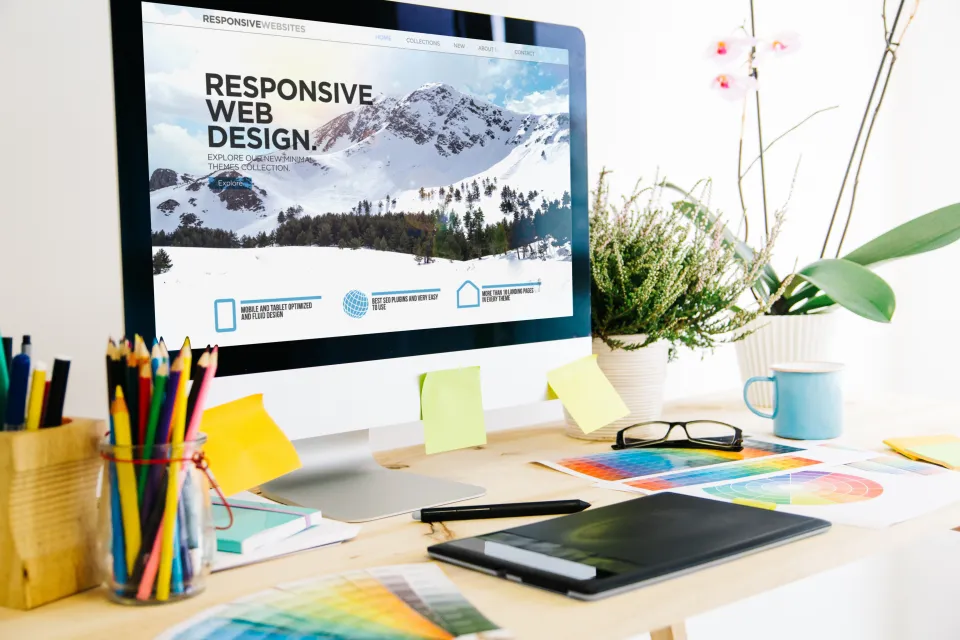
Web design is the art (and science) of creating the visual aspects and layout of a website. A website is the foundation of one’s digital marketing strategy and web presence. ...
By Zach Emly • April 12, 2022 •
Marketing certainly isn’t easy and can turn into a real headache when all your hard work doesn’t generate the results you intended it to. When it comes to marketing, poor a...

By Zach Emly • March 24, 2022 •
With mobile devices being the way of the world and the need to provide better experiences for customers, many businesses are asking themselves if they should offer a mobile app...
By Zach Emly • March 8, 2022 •
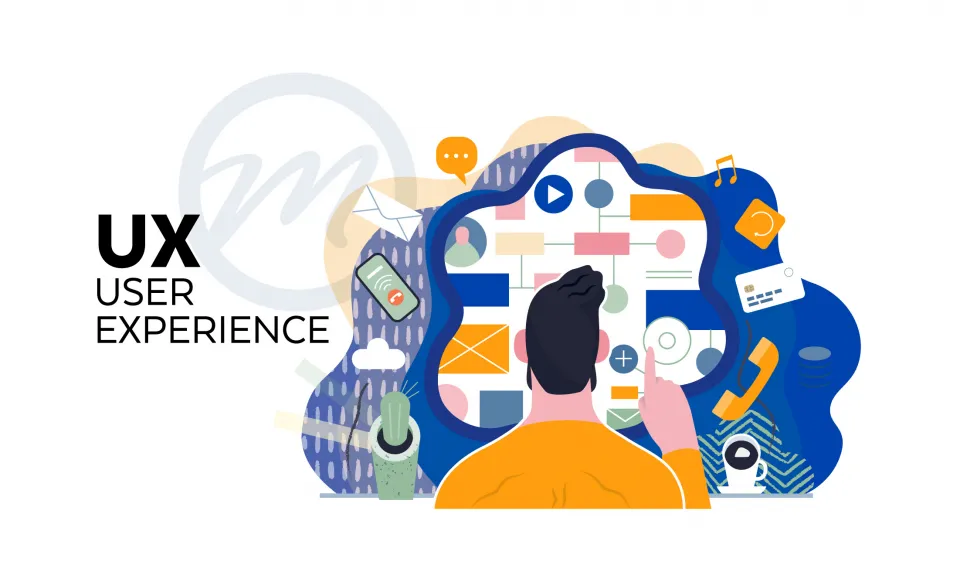
We all hear the words “user experience.” For years, industries have heard it and ignored it. “This doesn’t apply to us.” “Our customers don’t care about that.” ...
By Zach Emly • March 3, 2022 •
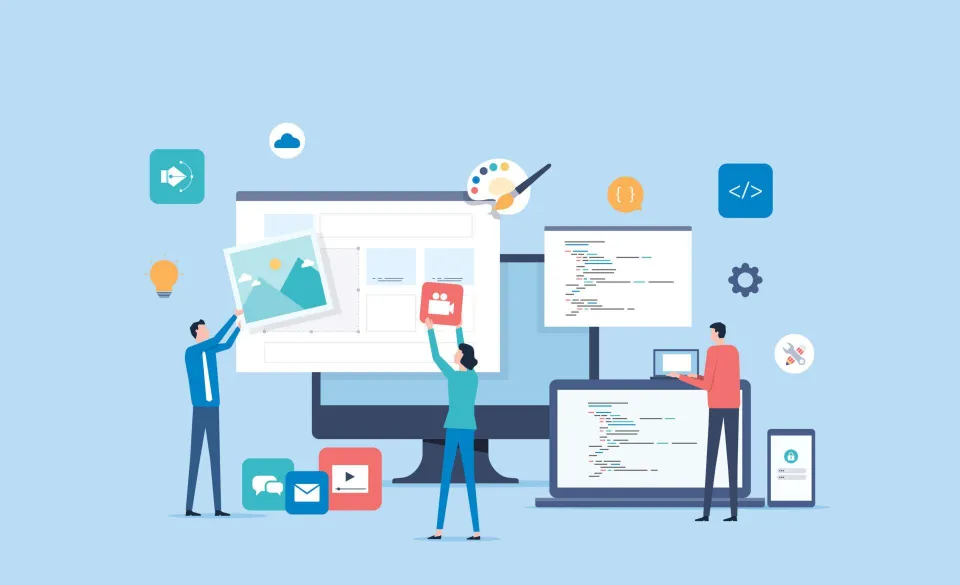
Most people use the terms web development and web design interchangeably. In many situations, no harm will be done, but when it comes to hiring someone for a job, knowing who y...

By Zach Emly • February 16, 2022 •
Marketing has become more and more of a necessity for businesses but has also become harder over time. Where marketing was once a “nice to have” option for businesses, it h...

By MOJO Team • January 25, 2022 •
Throughout the U.S. there are businesses that provide the highest quality of products and services yet struggle to compete simply because they can’t get their business name o...

By Alexander Fakeri • January 3, 2022 •
Since 2018, MOJO has been making waves in the tolling industry for the web development work they have done for their tolling partners. As the toll industry...

By Alexander Fakeri • December 22, 2021 •
From engaging fans on social media and building trust in your target audience, to dramatically boosting your SEO performance, there are some pretty spectacular benefits of vide...

By Alexander Fakeri • November 1, 2021 •
Nothing says you’re doing things right like a testimonial from a client like Christopher Tomlinson – Executive Director of State Road and Tollway Authority in Atlanta Georg...

By MOJO Team • October 18, 2021 •
Integrated marketing plans align every aspect of your marketing to deliver a powerful and memorable message. And while this challenge can be complex, invol...

By Alexander Fakeri • October 8, 2021 •
MOJO named Gold and Silver W3 Award Winner 2021 - Honored by Academy of Interactive and Visual Arts. MOJO is proud to announce that they have been awarded two 2021 W3 Awards ...

By MOJO Team • September 6, 2021 •
If you’re considering a new home page design, no single website page will get as much traffic or work as hard to represent your brand.
As the first page most...
By MOJO Team • July 13, 2021 •
Google’s Page Experience Update is one of over 500 updates rolled out over the course of a year. So, what makes this one so special?
We asked this same qu...

By Alexander Fakeri • June 10, 2021 •
The ripple effect, or butterfly effect, as it is also known, is the theory of one small motion creating a subsequent motion. The first ripple creates another motion, which crea...
By Alexander Fakeri • April 13, 2021 •
Passion meets Purpose. MOJO’s latest video anthem underscores our capabilities in 3-D animation, web design, development, digital marketing, videography, and branding. But mo...

By Alexander Fakeri • November 19, 2020 •
In between watching cat videos and dash cam videos on the internet, anyone who might dare find themselves researching the pros and cons of Search Engine Optimization (SEO) vers...
By Alexander Fakeri • November 3, 2020 •
You might think that ‘rebranding’ is something only large corporations with big marketing budgets - and a significant amount of brand recognition already - can do. After al...
By MOJO Team • August 10, 2020 •
When it comes to selecting a content type, specifically from a users’ perspective, video is king! As visual creatures, humans want to consume what they see and it is on...
By MOJO Team • April 16, 2019 •
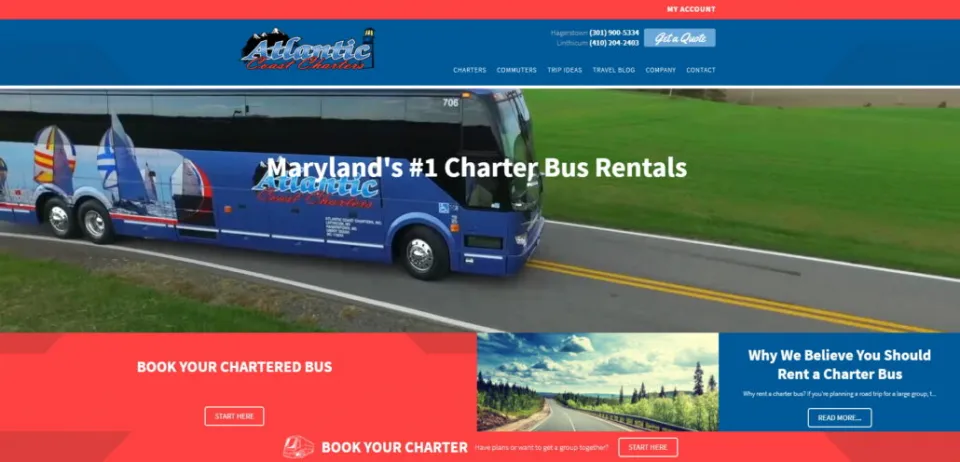
Atlantic Coast Charters was looking for a website design and marketing agency here in Maryland that could do more than just design a website. So recently Ron Dillon, Jr. ...

By Alexander Fakeri • December 7 • Web Design
Since 2018, MOJO has been making waves in the tolling industry for the web development work they have done for their tolling partners. As the toll industry innovates and creates advancements in technology, many are realizing the importance of user experience…
By Alexander Fakeri • September 7 • Web Design
When it comes to selecting a content type, specifically from a users’ perspective, video is king! As visual creatures, humans want to consume what they see and it is one of the most efficient ways of communication; targeting two of the most active senses. What is…

By Larissa Cordial • August 26 • News, Logo & Branding
You might think that ‘rebranding’ is something only large corporations with big marketing budgets – and a significant amount of brand recognition already – can do. After all, if no one was familiar with your old look, website, and logo, how will changing them make a difference?

By MOJO Creative Digital • July 29 • News, Digital Marketing, Branding
Integrated marketing plans align every aspect of your marketing to deliver a powerful and memorable message. And while this challenge can be complex, involving many stakeholders and marketing channels, following these six steps will help guide the process and ensure measurable success.

By Larissa Cordial • July 22 • News, Web Design, Web Development & Mobile Apps
If you’re considering a new home page design, no single website page will get as much traffic or work as hard to represent your brand. As the first page most of your visitors will see, your homepage has a lot of roles to perform! It needs to convey who you are and what you do, show people around, and make it…

By Larissa Cordial • July 22 • News, Digital Marketing, Logo & Branding, Videography
From engaging fans on social media and building trust in your target audience, to dramatically boosting your SEO performance, there are some pretty spectacular benefits of video marketing. Here we take a closer look at five of them, and also dive into some real-world examples of video marketing done right.

By Larissa Cordial • July 22 • News, Digital Marketing, Logo & Branding, Videography
Passion meets Purpose. MOJO’s latest video anthem underscores our capabilities in 3-D animation, web design, development, digital marketing, videography, and branding. But moreover, it echoes the persistent rhythm that drives our team’s passion.
To the outside world, MOJO is a team of website designers, developers, and project managers. However, within our culture, we are artisans and craftsmen who take great pride in what we create and our experiences with the world. Every day, we come to perfect our craft, and we seek new challenges that allow us to leverage our creativity to solve problems for our clients. Our team’s steadfast processes ensure we maintain high levels of creativity and technical superiority in every website, mobile application, and digital creative we publish, simultaneously providing a great client and customer experience.
We are expanding our markets and seeking to join arms with a high-level polished sales executive. Partnering with MOJO removes ceilings, unrealistic quotas, constantly changing pay plans designed to discourage, and typical sales "wheel spinning" burnout.
Responsibilities Include:
The ideal Business Development Specialist should possess the following:
MUST BE HUMBLE, HUNGRY, & DILIGENT! Consistently executing is extremely important, but knowing the industry and being passionate about serving is critical!
The MOJO team evolved over time and we are always finding ways to be 1% better than we were yesterday. However, that requires three personal traits in our teammates:
Our business is growing, and looking to immediately hire a Full Stack Web Developer. The ideal candidate is a creative problem solver who will work in coordination with cross-functional teams to design, develop, and maintain our next-generation websites and web tools. You must be comfortable working as part of a team while taking the initiative to take the lead on new innovations and projects.'
The Web & App Developer works closely with our project managers. The Web & App Developer must have experience in and will be responsible for full front and back-end development of websites and web applications. The Web & App Developer is able to work independently when given direction. The ideal candidate is a self-starter, detail-oriented, and sensitive to deadlines.
Develop Web applications built on the LAMP/WAMP stack.
Configure components, create prototypes, maintain technical integrity and consistency, and document solutions.
Prepare relevant design and technical documentation for the approaches to be taken in the architecture of web-based solutions.
Ensure quality of work through unit testing and implementation of QA procedures and standards.
Serve as a technical guru during all phases of projects on which you work.
Collaborate with other teams and team members.
Contribute ideas and provide feedback on many projects within the Managed Digital portfolio.
Accurately and regularly complete time sheets.
Other duties as assigned
Experience with building highly interactive, potentially database-driven Web and mobile applications.
Understanding of object-oriented programming and design principles.
Comprehensive understanding and experience with PHP.
React Native
Drupal 7, 8, 9 and 10 experience
Experience with front-end toolkits such as jQuery, Bootstrap, Foundation, etc.
Demonstrated problem-solving and critical-thinking skills.
Experience drafting technical requirements and specifications based on functional requirements or pure-technical initiatives.
Extreme passion for improving the user’s experience through UI design with a focus on usability, efficiency, and simplicity.
Bachelor’s degree or higher in Computer Science, Software Engineering, Electrical Engineering, or equivalent experience.
6+ years experience in Web and application development.
Must be legally authorized to work in the United States.
Relocation is not offered for this position.